

Hi there,
When you make the tough calls in an AI transformation, the process debt and technical debt inside your operating model are the next challenge to tackle.
When you have AI agents help you audit everything and find the process improvements and new system integrations, you now have a list of problems to solve.
Many leaders expect a quick return on investment, and while you might find a vendor you can immediately cancel or a setting you can change to rapidly cut cost on a service, there are no guarantees.
The early weeks of a serious AI transformation reveal low level things that are acting as blockers for realising benefits.
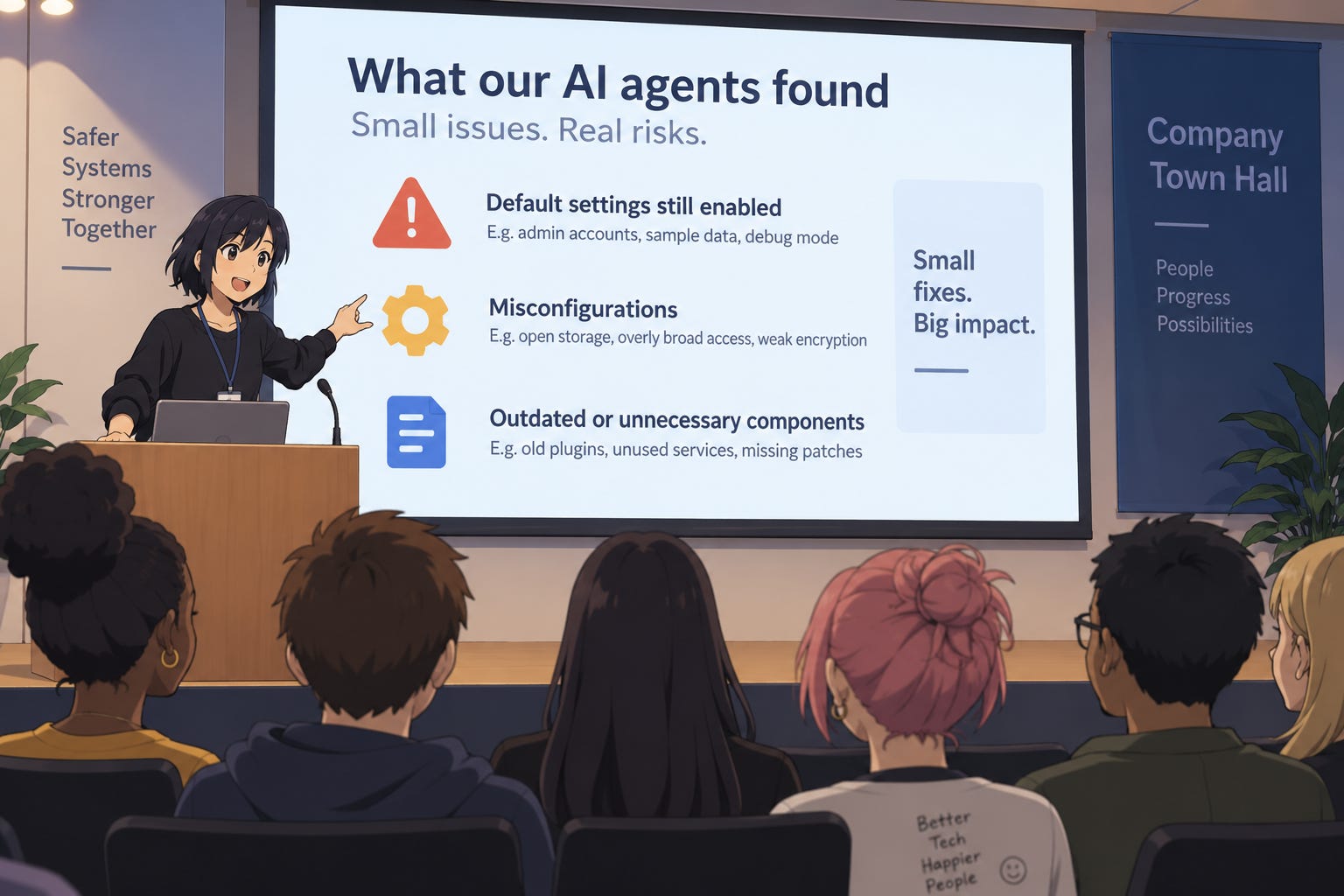
For example, different systems might define key terms their own way, leading to different teams having a different idea of what “customer” means, or process steps that haven’t made sense for years.
To move through the process and start to actually get the return on spend, you now have a list of things to fix. From conversations I’ve had and work I’ve done over the years, I’m convinced that this is where many leaders are deciding that “AI doesn’t work for us” because that’s when they are shown the cost of getting the foundations right.
This doesn’t mean that there aren’t small use cases you can quickly ship and realise benefits from. It does mean that a lot more effort will be required because you are effectively embarking on a digital transformation of old with perhaps 10x the number of decisions required. You can’t delegate this one.
The technical reason is because AI agents need access to your context and data. If you don’t share something and it doesn’t have access to your system and files, there will be gaps. A desire to control risk by reducing what AI agents can access is likely limiting the scope and impact of your AI initiatives before you’ve even started.
Every little shortcut will have the missing test coverage and business logic gaps revealed. There’ll be a series of questions asking why System A defines something as X when everywhere else defines it as Y. AI agents are now doing the work of requirements gathering, validation, and overlaying architecture without your detailed nudging.
This is why greenfield approaches - starting from scratch - are working well for many firms. They want the outcomes and business logic, but appreciate that because data quality and documentation quality aren’t high enough in their existing stack, they probably need to rebuild some things from scratch and progressively migrate things to their new operating model over time.
All of this adds up to why better managed firms are realising better returns from AI spend - first you need to have the right foundation and setup to actually be in a position to let AI agents help you.
The more operating model debt you have to pay off, the longer this initial dip period will take, but I think this is worth accepting, because the firms that stop their AI initiatives too soon are probably those at the highest strategic risk of disruption.
There are definitely quick wins out there. I’ve helped identify many. If a project doesn’t look like it will quickly deliver a return, many leaders will want it dropped. A lack of corporate patience and grit won’t help your firm survive the AI era.
Yes, budgets and constraints of stakeholder expectations are real, but you need to see the rebuild through if that’s what it takes. The firms that went into the last few years with strong foundations have been able to build on this.
There’s a clear reason why many regulated firms are seeing good results with their AI experiments - they already had quite prescriptive and structured ways of working, which is catnip for AI agents.
How do you get through this dip period though and not lose the stakeholders you need to keep happy?
The rest of this article is available for paid subscribers. If this sort of thinking about AI is useful, consider upgrading now.
