
What GPT-5 Really Means For AI Transformation
Most AI analysts are missing the point - this is all about how non-experts perceive AI capability

Hi there,
Today, OpenAI announced the release of GPT-5, the latest model.
Here’s a brief overview of what I think this means for AI transformation.
There are some significant changes in how your ChatGPT experience will change.
Instead of selecting a model, your query will be routed to the best for the task.
Paid plans can select other models, but this behaviour will dramatically improve the typical output for the ordinary user.
This is why most AI analysts are missing the point.
The growth of AI depends on the perception of the median user regarding what AI capabilities are.
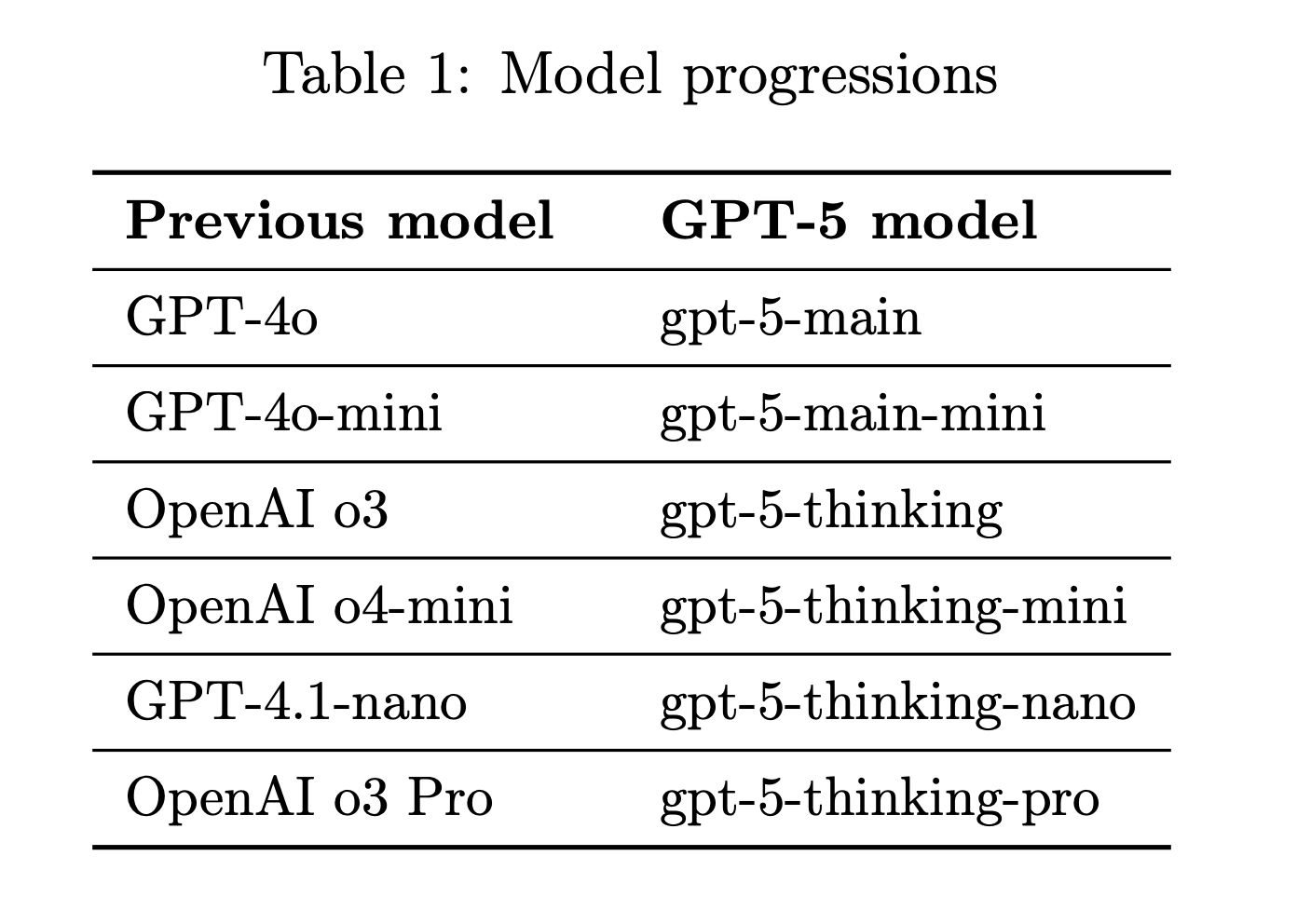
Because GPT-5 is significantly better than GPT-4o, users who were previously unaware of the option to select a more advanced model or pay for a premium one will find that they’re receiving improved output from their everyday use of ChatGPT.
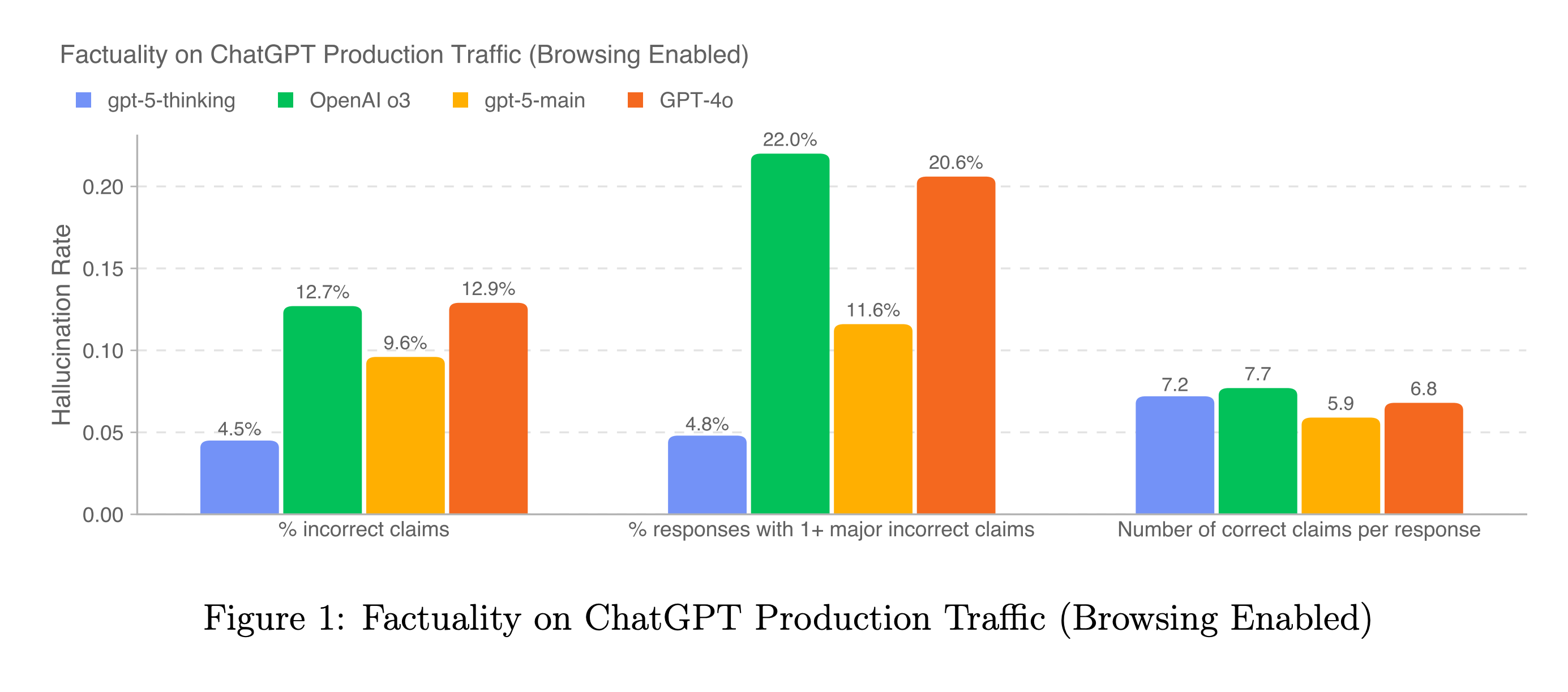
The GPT-5 system card released by OpenAI also highlights that GPT-5 has lower hallucination rates than other models. There are still challenges to overcome in this space; we all know that we need to double-check the output of AI tools.
However, if each model release reduces hallucination and error rates, it’s somewhat amusing how many AI critics still hold outdated priors on where the frontier models are at.
GPT-5 has a nice thinking mode that shares part of what is happening under the hood.
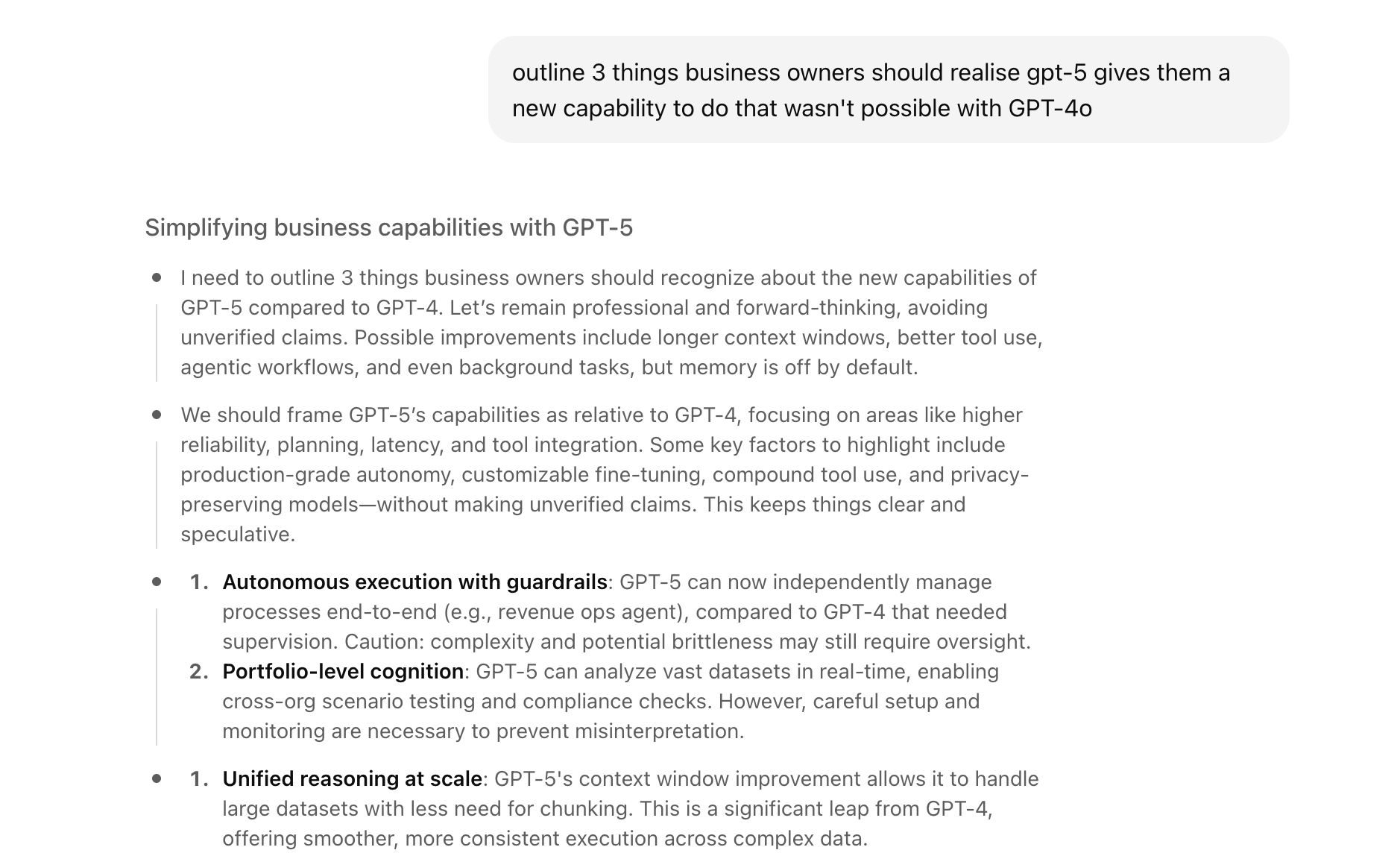
This is all great OpenAI marketing.
But what does it mean for AI transformation?

My take is that because the behaviour of AI tools defaults to the “cheapest” model when you start a new chat window, the real benefit of GPT-5 becoming the default model with a routing capability that depends on your query is better output for ordinary users.
When you spend a lot of time experimenting with these tools constantly, it’s easy to forget that most users of AI tools:
don’t know how to change the model
don’t appreciate how different model selection can lead to vastly different outputs
don’t know how to enable tools, connect context or enable extended thinking
don’t even pay for AI tools - they’re on the free plan
Since OpenAI has made this model the new “everything” model, including for Free plan users, more people will start noticing better output for their standard use of ChatGPT.
When more people notice better output from the only AI tool they are familiar with, this change in lived experience begins to ripple through other aspects of general AI adoption. Then the internal pressure for AI transformation in business builds.
Many business owners and executives will be experimenting with GPT-5 this weekend and realising that, every few months, the output they can achieve by leveraging AI tools is growing. Yet, many still lack a clear strategy to upgrade their operating model.
As AI agents can do longer tasks, more complex processes can be automated successfully. There was a significant focus on OpenAI's improved ability of GPT-5 in agentic coding use cases.
This makes sense, as hallucinations and errors decrease, and AI agents can execute tasks and bundles of tasks over longer time horizons. Consequently, more and more automation will become feasible.
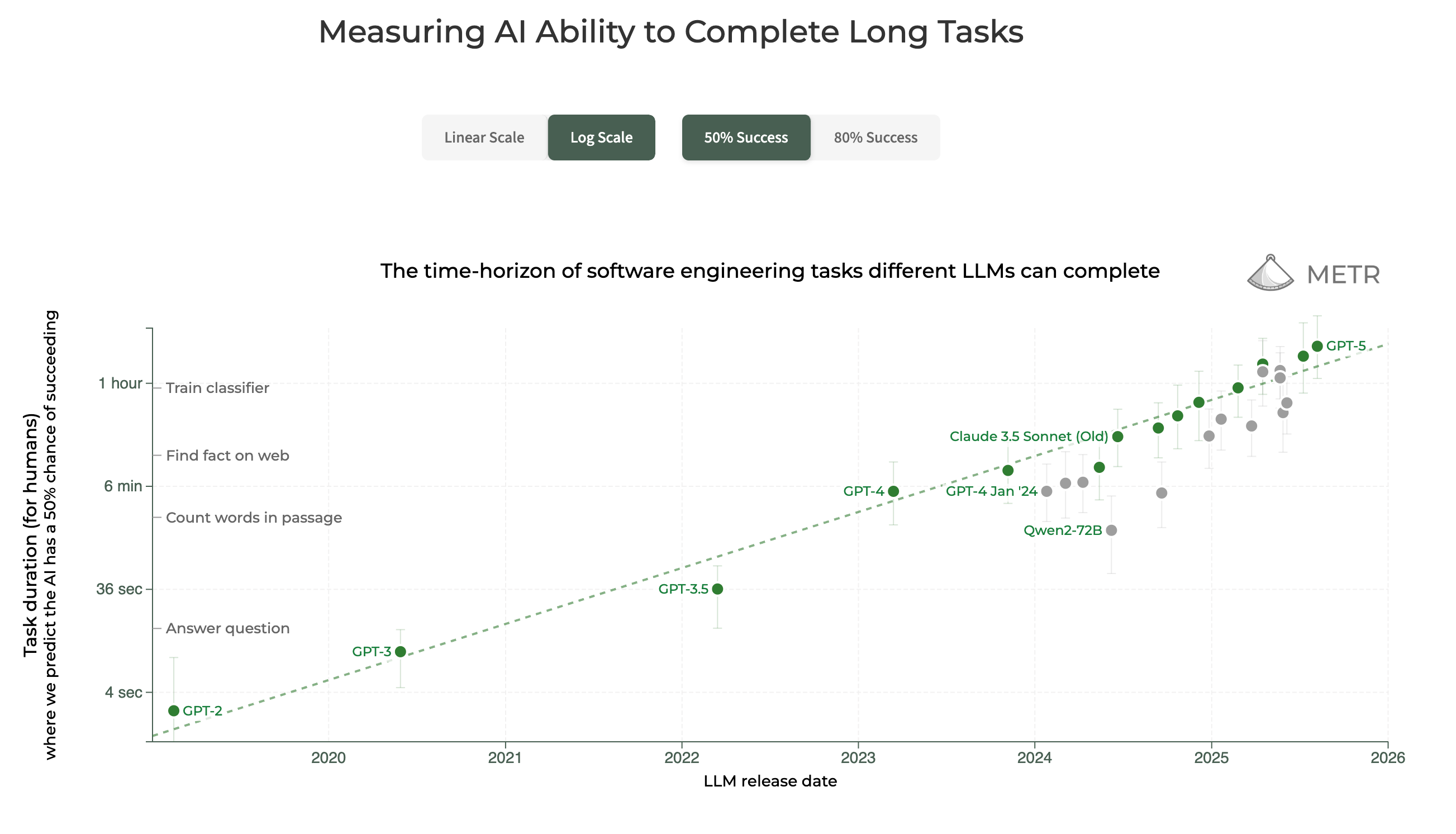
Source: METR
One of the central themes of my writing this year is how the combination of AI, APIs and AI agents will drive radical rethinking of operating models.
The release of GPT-5 isn’t artificial general intelligence, but it marks another milestone in the direction all this cumulative improvement is heading.
I’d be interested in hearing what you think of GPT-5 and whether some of the “standard” queries you send to ChatGPT are performing better since the release today?
Regards,
Brennan